ᚾᛟᚱᛇᚾ ᚷᛟᚦᚠᚱᛇᚦᛁ
norræn goðfræði
Home > Table of contents > Norse mythology
norse mythology
What is Norse Mythology and where does it come from?
Norse mythology, Nordic, or Scandinavian mythology is the collection of myths from the North Germanic peoples. These stories are rooted in Old Norse religion, and they continued as folklore after Scandinavia became Christian. As the northern branch of Germanic mythology, they therefore draw on older Proto-Germanic traditions. The myths include tales of gods, heroes, and supernatural beings, and they were preserved through medieval manuscripts, archaeological finds, and oral storytelling. Among the most well-known figures are Thor, the thunder god; Odin, the all-seeing chief accompanied by ravens; Freyja, goddess of love and war; and Loki, the trickster.
Much of Norse mythology focuses on the struggles of the gods, and it also describes their interactions with other beings. These include humans and the jötnar, giants who could be allies, enemies, or even family members. The cosmos consists of Nine Worlds, all connected by the sacred tree Yggdrasil. In addition, time, nature, and cosmic forces often appear as personified beings or deities. Creation myths explain how the world emerged from the body of the primordial giant Ymir. Afterwards, the first humans, Ask and Embla, were shaped from driftwood. The myths also foretell Ragnarök, a cataclysmic battle between gods and their enemies. During this event, the world burns and many gods fall. However, the story does not end there, because life renews itself. As a result, the surviving gods meet again, the land becomes fertile, and humanity begins anew.
Since the 17th century, scholars have studied Norse mythology in depth, and their research revealed connections to broader Proto-Indo-European traditions. Later, interest surged during the Romantic Viking revival, and the myths reached a wider audience. Today, these stories appear widely in popular culture, and they also play a role in Germanic Neopaganism. As a result, they continue to inspire both cultural expression and spiritual practice.
<<< Previous page
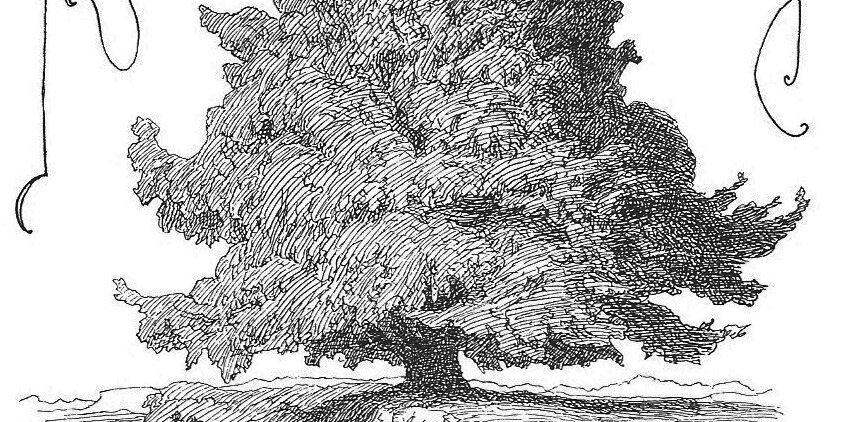
table of contents
Next page >>>