ᚢᚨᛚᚲᛁᚱᛃᚨ
valkyrja
Home > Table of contents > norse mythology > gods and other beings > the Valkyries in Norse Mythology
the Valkyries in Norse Mythology
Choosers of the Slain
In Norse mythology, valkyries are supernatural female figures who serve Odin by choosing which warriors will die in battle and which will be granted entry into Valhalla. Their name comes from Old Norse valkyrja, meaning “chooser of the slain,” reflecting their core function in deciding the fate of warriors on the battlefield. Those selected by the valkyries become the einherjar, elite fallen warriors who feast, train, and prepare for Ragnarök in Odin’s hall. Beyond their martial role, valkyries are also described as serving mead in Valhalla, reinforcing their dual nature as both death-bringers and ceremonial attendants of the afterlife.
Valkyries in the Poetic Edda
The Poetic Edda presents valkyries as powerful, armed women closely tied to war and fate. In Völuspá, a völva describes valkyries riding toward the gods’ realm, listing named figures such as Skuld, Gunnr, Hildr, and Skögul, names that directly reference battle, violence, and destiny. In Grímnismál, Odin names valkyries whose duty is to serve ale to the einherjar, blending their fearsome battlefield role with ritual hospitality. These poems portray valkyries as active, named individuals rather than abstract forces, emphasizing their importance within the Norse cosmic order.
Valkyries in the Prose Edda
Snorri Sturluson’s Prose Edda systematizes earlier traditions and presents valkyries as Odin’s attendants who ride to every battle to choose the slain and determine victory. Some valkyries, such as Skuld, are explicitly linked to the Norns, reinforcing the close relationship between battle-death and fate. The Prose Edda also preserves long lists of valkyrie names, many of which function as poetic descriptors rather than individual personalities. This suggests that valkyries were often understood less as distinct beings and more as manifestations of war’s many aspects.
Warrior Maidens and Battle Spirits
Early depictions of valkyries suggest they were once viewed as terrifying spirits of carnage rather than noble maidens. This darker image is vividly preserved in Njáls saga, where twelve valkyries weave the fate of warriors using human entrails as thread and severed heads as loom weights. In this portrayal, valkyries are fate-weavers whose actions directly cause death and destruction. Over time, Norse poetry softened this image, presenting them as armored warrior women riding horses into battle, their shining mail sometimes said to reflect the Northern Lights. They are frequently associated with ravens and wolves, animals sacred to Odin and symbolic of death and the battlefield.
Valkyries as Swan-Maidens and Lovers
Alongside their warlike aspect, valkyries also appear in more intimate and mythic roles. In poems such as Völundarkviða, they are depicted as swan-maidens who can shapeshift using feathered cloaks. These valkyries live for a time with mortal men as wives or lovers before inevitably returning to their divine duties. In the Helgi lays, valkyries such as Sváva and Sigrún protect heroes in battle, fall in love with them, and are sometimes said to be reincarnated alongside them. These stories blur the boundary between divine being and human woman, presenting valkyries as liminal figures who move between worlds, lives, and identities.
Wisdom-Bearers and Rune-Mistresses
In Sigrdrífumál, the valkyrie Sigrdrífa appears not as a battlefield figure but as a guardian of sacred knowledge. Awakened by the hero Sigurd, she teaches him runes, magical lore, and cosmic wisdom. This portrayal connects valkyries to prophecy, learning, and sacred speech, linking them to other fate-related female figures in Norse mythology such as the Norns and seeresses. Here, the valkyrie is not merely a chooser of the dead but a transmitter of divine knowledge essential for heroic survival.
Archaeological Evidence and Visual Culture
Archaeological finds strongly support the mythological image of valkyries. Viking Age silver figurines depict armed women holding swords, shields, or drinking horns, often interpreted as valkyries or dísir. The Tjängvide image stone from Gotland shows a female figure welcoming a rider on an eight-legged horse, likely Odin or a fallen warrior, into the afterlife. Runestones such as the Rök and Karlevi stones mention valkyries by name, confirming that belief in them was not merely poetic but part of lived Norse religion.
Valkyries, Fate, and Other Female Powers
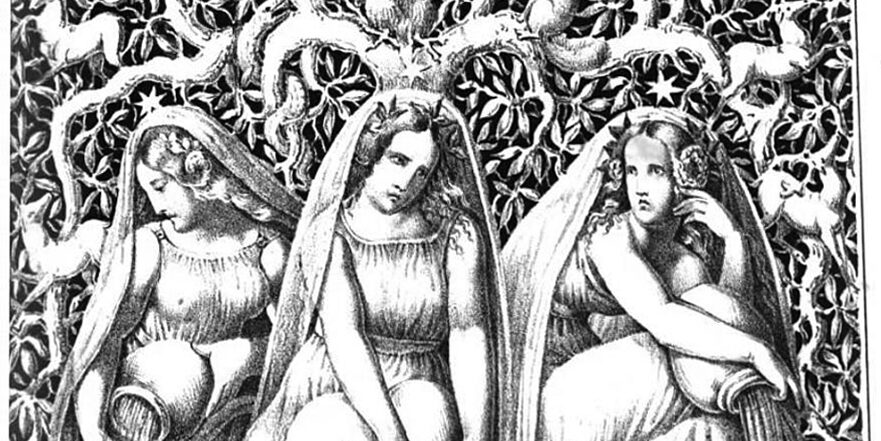
Norse sources frequently blur the distinctions between valkyries, Norns, and dísir. All are female supernatural beings connected to destiny, death, and protection. While Norns shape fate directly and dísir act as ancestral guardians, valkyries represent fate in its most violent and immediate form: death in battle. Some texts even call valkyries “Odin’s dísir,” suggesting they were understood as part of the same wider category of female fate-spirits. Rather than separate beings with fixed roles, they appear as different expressions of a shared belief in powerful female forces governing life and death.
Freyja and the Afterlife of Warriors
The goddess Freyja complicates the traditional image of the valkyries by receiving half of the slain warriors in her field, Fólkvangr, while Odin receives the other half in Valhalla. This suggests that Freyja herself functioned as a chooser of the slain and may have served as a divine prototype for the valkyries. Her role reinforces the idea that warfare, death, and the afterlife were not the domain of Odin alone but part of a broader, gender-balanced sacred system within Norse mythology.
Origins and Evolution
Scholars generally agree that valkyries evolved over time. Early Norse belief likely viewed them as fearsome death-spirits or battlefield demons, closely tied to ritual killing and sacrifice. As heroic poetry developed, these beings became more humanized, acquiring names, personalities, emotions, and romantic storylines. Despite this transformation, their core function remained unchanged: valkyries embody the moment where fate, battle, and death intersect.
<<< previous page
the draugr in norse mythology
next page >>>